

Hey there! As a supplier of cold forging machines, I often get asked a bunch of questions. One question that pops up frequently is, "Can a cold forging machine produce parts with high hardness?" Well, let's dive right into this topic and break it down.
First off, let's understand what cold forging is. Cold forging is a metalworking process where metal is shaped at room temperature or slightly higher, without heating it to the point of melting. This process uses a lot of pressure to deform the metal into the desired shape. It's a super efficient way to make parts because it can produce a high volume of components with excellent precision and surface finish.

Now, when it comes to hardness, several factors come into play during the cold forging process. The type of material is the first and most obvious one. Different metals have different inherent hardness levels. For example, steel alloys are known for their high strength and hardness compared to softer metals like aluminum. When you use a cold forging machine on a high - carbon steel material, the chances of getting a part with high hardness are pretty good right from the start.
The cold forging process itself can also enhance the hardness of the metal. When we apply pressure during cold forging, the metal's grain structure gets refined. The grains are forced to become smaller and more tightly packed. This refinement of the grain structure leads to an increase in the material's hardness and strength. It's like compressing a bunch of sand particles – the more you compress them, the more solid and harder the overall mass becomes.
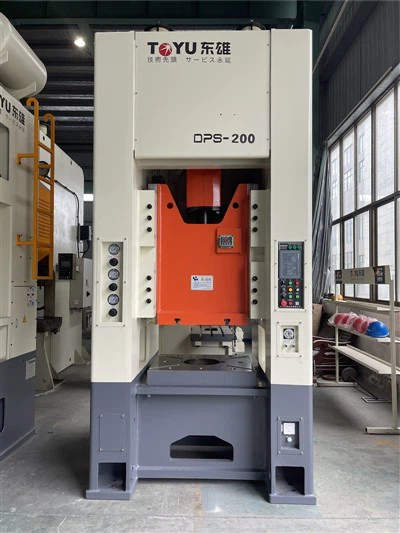
Let's talk about the machines I supply. We have a wide range of cold forging machines, including the Closed Die forging Machine. These closed - die machines are designed to produce parts with high precision and can also play a crucial role in achieving high hardness. The closed - die design confines the metal during forging, allowing for better control over the deformation process. This precise control ensures that the metal is deformed uniformly, which in turn helps in achieving a consistent hardness throughout the part.
Another type of machine in our lineup is the Cold Forging Press Machine. These presses are all about delivering the high pressure needed for cold forging. The force exerted by the press can be adjusted according to the material and the part we're trying to make. By carefully controlling the pressure and the number of forging strokes, we can optimize the grain refinement process and boost the hardness of the final part.
Our Metal Forging Equipment is also top - notch. It's equipped with advanced technology that allows for precise control of the forging parameters. For instance, we can control the speed of the forging process, the temperature (even though it's cold forging, a small temperature increase can occur due to the deformation), and the amount of pressure applied. These controls are essential for achieving the right balance in the grain structure and, ultimately, the desired hardness.
However, it's not just about the machine. Post - forging treatments can also have a big impact on the hardness of the parts. Heat treatment is a common method used to further enhance the hardness. After cold forging, parts can be quenched and tempered. Quenching involves rapidly cooling the part, which locks in the refined grain structure and increases the hardness. Tempering, on the other hand, is done to relieve the internal stresses that build up during quenching and to improve the toughness of the part.
There are also some limitations to keep in mind. Extreme hardness can sometimes make the parts brittle. So, when aiming for high hardness, we need to find a balance with the part's ductility and toughness. If a part is too hard and lacks ductility, it may crack or break during use. That's why our machines are designed to work in harmony with post - forging processes to ensure that the final parts have the right combination of hardness, strength, and toughness.
In many industries, high - hardness parts are a must. In the automotive industry, for example, parts like gears, shafts, and bolts need to be hard to withstand the high loads and stresses they encounter. Our cold forging machines have been used to produce these types of parts with great success. By using the right materials and carefully controlling the forging process, we can meet the automotive industry's strict requirements for hardness and durability.
The aerospace industry also demands high - hardness components. Parts used in aircraft engines, landing gear, and structural components need to be extremely strong and hard. Cold forging provides a cost - effective and efficient way to produce these parts with the required hardness. Our metal forging equipment has been helping aerospace manufacturers create high - quality, high - hardness parts for years.
To sum it up, yes, a cold forging machine can definitely produce parts with high hardness. The combination of the right material, a well - controlled cold forging process, and appropriate post - forging treatments can result in parts that meet the toughest hardness requirements. Our range of cold forging machines, including the Closed Die forging Machine, Cold Forging Press Machine, and Metal Forging Equipment, are designed to make this process as efficient and effective as possible.
If you're in the market for high - quality cold forging machines to produce parts with high hardness, we'd love to talk to you. Whether you're in the automotive, aerospace, or any other industry that requires hard - wearing parts, we have the solutions for you. Reach out to us for a detailed discussion on how our machines can meet your specific needs. Let's work together to create the best - quality parts for your business.
References
- "Metal Forming: Processes and Analysis" by Dieter, G. E.
- "Cold Forging Technology" published by ASM International.