

Hey there! As a supplier of Metal Forging Presses, I've been deeply involved in the industry for quite some time. One question that often pops up is about the automation levels of modern metal forging presses. So, let's dive right in and explore this topic together.
Understanding Automation in Metal Forging Presses
Automation in metal forging presses has come a long way. It's all about making the forging process more efficient, accurate, and less labor - intensive. In the past, forging was a highly manual process, relying heavily on skilled workers to operate the presses, handle the materials, and monitor the quality. But with the advancements in technology, things have changed dramatically.
Today, we have different levels of automation in metal forging presses, each with its own set of features and benefits.
Level 1: Basic Automation
At the most basic level of automation, we have presses that have some automated functions but still require a significant amount of human intervention. For example, these presses might have automated feeding systems that can deliver the raw materials to the press at a set interval. However, the operator still needs to monitor the process, adjust the settings if necessary, and remove the finished products.
This level of automation is great for small - scale forging operations or for companies that are just starting to explore automation. It provides a cost - effective way to improve productivity without a huge upfront investment. For instance, a small - scale forging shop that produces custom - made metal parts might use a press with basic automation to increase its output while still maintaining the flexibility to handle different types of jobs.
Level 2: Semi - Automated Presses
Semi - automated presses take things a step further. These presses have more advanced automated features, such as programmable logic controllers (PLCs) that can control the forging process based on pre - set parameters. The feeding, forging, and ejection processes are mostly automated, but the operator still plays a role in setting up the press, performing quality checks, and handling any unexpected issues.
Semi - automated presses are commonly used in medium - sized forging operations. They offer a good balance between automation and human control. For example, a company that produces standard metal components in relatively large quantities can use a semi - automated press to achieve high productivity while ensuring consistent quality. The operator can focus on quality control and process optimization, rather than on the repetitive tasks of the forging process.
Level 3: Fully Automated Presses
Fully automated presses are the pinnacle of forging automation. These presses are equipped with advanced sensors, robotics, and control systems that can perform the entire forging process without any human intervention. The raw materials are automatically fed into the press, forged according to precise specifications, and the finished products are ejected and sorted.
The use of fully automated presses is ideal for large - scale forging operations. They can significantly increase productivity, reduce labor costs, and improve product quality. For example, a large - scale forging plant that supplies metal parts to the automotive industry can use fully automated presses to meet the high - volume demand while maintaining strict quality standards. These presses can operate 24/7, which means continuous production and faster turnaround times.
Benefits of Different Automation Levels
The benefits of different automation levels vary depending on the specific needs of the forging operation.
Basic Automation
- Cost - Efficiency: As mentioned earlier, basic automation requires a relatively low upfront investment. This makes it accessible for small businesses that want to improve their productivity without breaking the bank.
- Flexibility: Basic automation allows for easy adjustment of the process to accommodate different types of forging jobs. Operators can still have a high level of control over the process, which is important for custom - made products.
Semi - Automated Presses
- Increased Productivity: With more automated processes, semi - automated presses can produce more parts in less time compared to basic automation. This leads to higher output and potentially higher profits.
- Consistent Quality: The use of PLCs and other automated control systems ensures that the forging process is more consistent, resulting in higher - quality products.
Fully Automated Presses
- High - Volume Production: Fully automated presses are designed for large - scale production. They can operate continuously, producing a large number of parts in a short period of time.
- Reduced Labor Costs: Since the entire process is automated, there is less need for human operators. This can lead to significant cost savings in the long run.
Our Offerings as a Metal Forging Press Supplier
As a Metal Forging Press supplier, we offer a wide range of presses with different automation levels to meet the diverse needs of our customers. Whether you're a small - scale forging shop looking for a basic automated press or a large - scale manufacturer in need of a fully automated solution, we've got you covered.
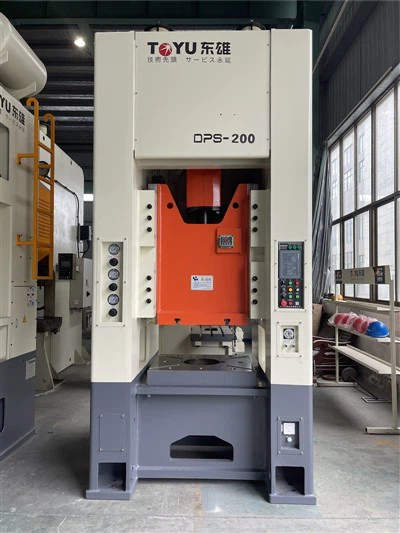
We have a variety of Metal Forging Equipment that can be customized to suit your specific requirements. Our Closed Die forging Machine is available in different automation levels, from basic to fully automated, and can be used for a wide range of forging applications. And if you're interested in cold forging, our Cold Forging Press Machine offers high - precision forging with advanced automation features.
The Future of Automation in Metal Forging Presses
The future of automation in metal forging presses looks very promising. With the rapid development of technologies such as artificial intelligence (AI), machine learning, and the Internet of Things (IoT), we can expect to see even more advanced automation in the forging industry.
For example, AI - powered presses could analyze the forging process in real - time, detect any potential issues, and automatically adjust the settings to optimize the process. IoT - enabled presses could be connected to a central system that can monitor the performance of multiple presses, predict maintenance needs, and manage the production schedule more efficiently.
These advancements will not only improve productivity and quality but also make the forging process more sustainable. By reducing waste, energy consumption, and downtime, we can create a more environmentally friendly and cost - effective forging industry.
Conclusion
In conclusion, the automation levels of modern metal forging presses offer a wide range of options for forging operations of all sizes. From basic automation to fully automated presses, each level has its own advantages and is suitable for different types of applications.
If you're in the market for a metal forging press, I encourage you to consider your specific needs, production volume, and budget. And if you have any questions or need more information about our products, don't hesitate to reach out. We're here to help you find the perfect forging solution for your business. Whether you're looking to increase productivity, improve quality, or reduce costs, our team of experts can work with you to develop a customized automation plan. So, let's start this journey together and take your forging operation to the next level.

References
- "Metal Forging Handbook: Processes, Products, and Applications" by George E. Dieter
- "Automation in Manufacturing: Fundamentals and Applications" by Mikell P. Groover