

As a supplier of cold forging machines, I've witnessed firsthand the remarkable advantages these machines bring to the manufacturing industry. They offer high precision, excellent surface finish, and the ability to produce complex shapes with minimal material waste. However, like any technology, cold forging machines are not without their drawbacks. In this blog, I'll delve into the disadvantages of cold forging machines to provide a comprehensive understanding for potential buyers.
High Initial Investment
One of the most significant disadvantages of cold forging machines is the high initial investment required. Cold forging machines, such as Cold Forging Press Machine, are complex pieces of equipment that incorporate advanced technology and high - quality materials. The cost of purchasing a cold forging machine can be substantial, especially for small and medium - sized enterprises (SMEs). In addition to the machine itself, there are also costs associated with installation, commissioning, and training of operators.
The high upfront cost can be a major barrier for companies looking to enter the cold forging market or expand their existing operations. It may take a long time for the investment to pay off, especially if the production volume is low. This financial burden can limit the growth potential of businesses, as they may be hesitant to invest in new equipment due to the high risk and long pay - back period.
Limited Material Compatibility
Cold forging is typically suitable for materials with good ductility, such as aluminum, copper, and low - carbon steel. These materials can be deformed at room temperature without cracking or fracturing. However, for materials with low ductility, such as high - carbon steel, stainless steel, and some alloys, cold forging may not be a viable option.
When attempting to cold forge these less - ductile materials, there is a high risk of cracking, surface defects, and internal stress concentration. This can lead to a significant reduction in the quality of the forged parts and increase the scrap rate. As a result, manufacturers may need to use alternative forging methods, such as hot forging, for these materials, which requires additional equipment and processing steps.
High Tooling Costs
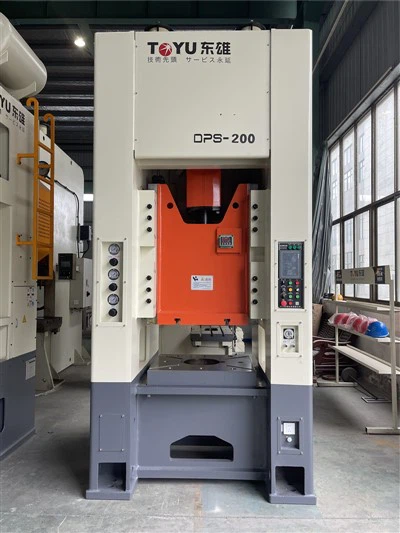
Tooling is an essential part of the cold forging process. The dies and punches used in cold forging machines, especially in Closed Die forging Machine, need to be made with high precision to ensure the accuracy and quality of the forged parts. The manufacturing of these tooling components is a complex and expensive process.
Tooling costs can account for a significant portion of the overall production cost. Moreover, the tooling has a limited lifespan due to the high stress and wear during the forging process. Frequent tool replacement is required, which further adds to the cost. Additionally, any design changes in the forged parts may require new tooling, resulting in additional expenses.

High Energy Consumption
Cold forging machines, particularly Mechanical Forging Press, consume a large amount of energy during operation. The high - pressure forces required to deform the metal at room temperature demand powerful motors and hydraulic systems. This high energy consumption not only increases the operating cost but also has a negative impact on the environment.
In an era where energy efficiency and environmental sustainability are becoming increasingly important, the high energy consumption of cold forging machines can be a major disadvantage. Manufacturers may need to invest in energy - saving technologies or alternative power sources to reduce their energy consumption, which adds to the overall cost and complexity of the operation.
Complex Maintenance and Operation
Cold forging machines are complex pieces of equipment that require skilled operators for both operation and maintenance. The operation of these machines involves setting up various parameters, such as forging force, stroke length, and speed, to ensure the quality of the forged parts. Any incorrect setting can lead to defective products.
Maintenance of cold forging machines is also a challenging task. Regular maintenance, including lubrication, inspection of mechanical and hydraulic components, and replacement of worn - out parts, is essential to ensure the reliable operation of the machine. However, the complexity of the machine means that maintenance requires specialized knowledge and skills. In case of breakdowns, it may take a long time to diagnose and repair the problem, resulting in production downtime.
Limited Shape Complexity Compared to Some Other Processes
Although cold forging can produce complex shapes, there are still limitations compared to some other manufacturing processes, such as casting or machining. In cold forging, the metal is deformed by applying pressure, which restricts the ability to create extremely intricate shapes.

For example, parts with deep undercuts or very thin walls may be difficult to produce using cold forging. This limitation can be a drawback for industries that require highly complex and customized parts. In such cases, manufacturers may need to combine cold forging with other processes or use alternative manufacturing methods entirely.
Conclusion
While cold forging machines offer numerous benefits, it's important to be aware of their disadvantages. The high initial investment, limited material compatibility, high tooling costs, high energy consumption, complex maintenance and operation, and limited shape complexity are all factors that potential buyers need to consider.
However, these disadvantages should not deter you from exploring the potential of cold forging machines. With careful planning, proper selection of equipment, and efficient operation, many of these issues can be mitigated. If you're considering investing in a cold forging machine for your manufacturing business, I encourage you to reach out to us. We have a team of experts who can provide you with detailed information, help you choose the right machine for your specific needs, and assist you in overcoming any challenges you may face. Contact us to start a discussion about your cold forging requirements and let's explore how we can work together to achieve your production goals.
References
- Dieter, G. E. (1988). Mechanical Metallurgy. McGraw - Hill.
- Kalpakjian, S., & Schmid, S. R. (2013). Manufacturing Engineering and Technology. Pearson.
- ASM Handbook Committee. (1998). ASM Handbook: Volume 14A: Metalworking: Bulk Forming. ASM International.