

As a trusted supplier of Metal Forging Presses, we understand the importance of various factors associated with these powerful machines, and one crucial aspect that often comes under scrutiny is the noise levels they produce. In this blog, we'll delve into the noise levels of a metal forging press, exploring what causes the noise, the implications of high noise, and how we, as a supplier, address these concerns.
Understanding the Noise Sources in Metal Forging Presses
Metal forging presses, whether Metal Forging Press, Cold Forging Press Machine, or Closed Die forging Machine, generate noise from multiple sources. The primary contributor is the impact force during the forging process. When the press ram strikes the workpiece, a significant amount of energy is released instantaneously, creating a sharp and intense noise. This impact noise is a characteristic feature of forging operations and can be quite loud, especially in high - tonnage presses.
Another source of noise is the mechanical components within the press. The gears, bearings, and chains that drive the press mechanism can produce a continuous humming or rattling sound. As these components wear over time, the noise levels may increase due to misalignment, increased friction, or mechanical play. Additionally, the hydraulic systems in some forging presses can generate noise. The flow of hydraulic fluid through valves, pumps, and hoses can create pressure fluctuations that result in audible noise, such as hissing or whining sounds.
Measuring Noise Levels
Noise levels are typically measured in decibels (dB). In a metal forging press environment, the noise levels can vary widely depending on the type of press, its tonnage, the forging process, and the materials being forged. Smaller forging presses used for light - duty applications may produce noise levels in the range of 80 - 90 dB. However, large - scale industrial forging presses, especially those with high tonnage and used for heavy - duty forging operations, can generate noise levels well above 100 dB.
To put these numbers into perspective, 80 dB is roughly equivalent to the noise level of a busy city street, while 100 dB is similar to the noise of a chainsaw or a motorcycle engine. Prolonged exposure to noise levels above 85 dB can cause hearing damage, and at 100 dB, the risk of hearing loss increases significantly with even short - term exposure.
Implications of High Noise Levels
The high noise levels generated by metal forging presses have several implications, both for the workers and the overall working environment. From a health perspective, as mentioned earlier, long - term exposure to high - level noise can lead to permanent hearing loss. Workers in forging facilities are at a high risk of developing noise - induced hearing impairment if proper hearing protection is not used or if the noise levels are not controlled.
In addition to health risks, high noise levels can also have an impact on worker productivity. Excessive noise can be distracting, making it difficult for workers to concentrate on their tasks. It can also interfere with communication between workers, increasing the risk of errors and accidents in the workplace. Moreover, high - level noise can cause stress and fatigue among workers, which can further affect their performance and well - being.
From an environmental perspective, the noise generated by forging presses can be a nuisance to neighboring communities. If a forging facility is located near residential areas or other noise - sensitive locations, the noise pollution can lead to complaints and potential legal issues.
Our Approach as a Metal Forging Press Supplier
At our company, we are committed to providing forging presses that not only meet the highest standards of performance but also address the issue of noise pollution. We incorporate several design features and technologies in our presses to reduce noise levels.
One of the key strategies is the use of advanced materials and construction techniques. We select high - quality gears, bearings, and chains that are designed to operate quietly. These components are precision - engineered to minimize friction and vibration, which in turn reduces the noise generated during operation. Additionally, we use sound - absorbing materials in the construction of our presses. These materials are placed in strategic locations, such as around the press frame and the hydraulic components, to dampen the noise and prevent it from spreading.
We also focus on optimizing the forging process itself. By using advanced control systems, we can precisely control the impact force and the speed of the press ram. This not only improves the quality of the forged parts but also helps to reduce the impact noise. For example, by gradually increasing the force during the forging process instead of applying it all at once, we can reduce the sharpness and intensity of the impact noise.
Noise Control Measures in the Workplace
In addition to the design features of our forging presses, we also recommend several noise control measures in the workplace. First and foremost, workers should be provided with appropriate hearing protection, such as earplugs or earmuffs. These devices can significantly reduce the amount of noise reaching the ears and protect workers from hearing damage.
Engineering controls can also be implemented in the forging facility. This includes the installation of sound - proof enclosures around the forging presses. These enclosures are made of materials that absorb and reflect sound, effectively reducing the noise levels in the surrounding area. Ventilation systems can be integrated into the enclosures to ensure proper air circulation and prevent overheating of the press.
Regular maintenance of the forging presses is also crucial for noise control. By keeping the mechanical components in good condition, lubricating them properly, and replacing worn parts in a timely manner, we can prevent the increase of noise levels due to mechanical wear.

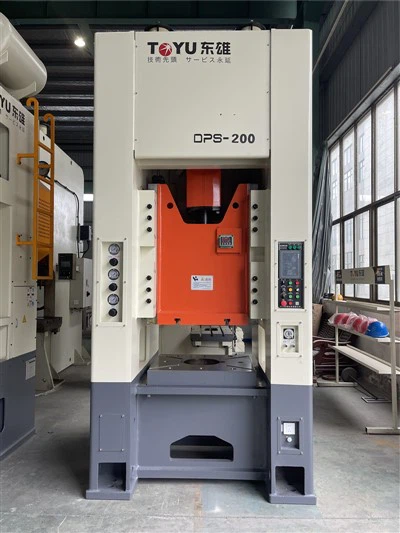
Choosing the Right Forging Press for Noise - Sensitive Applications
If you are in an environment where noise levels are a major concern, such as a facility located near residential areas or a workplace with strict noise regulations, it is important to choose the right forging press. When selecting a press, consider the noise reduction features offered by the supplier. Look for presses with advanced noise - dampening technologies, such as sound - absorbing enclosures, precision - engineered components, and optimized forging processes.
Our range of Metal Forging Press, Cold Forging Press Machine, and Closed Die forging Machine are designed with noise control in mind. We can provide you with detailed information about the noise levels of each press model and help you select the one that best suits your specific requirements.
Conclusion
The noise levels of a metal forging press are an important consideration in the forging industry. Understanding the sources of noise, measuring the noise levels, and addressing the implications of high - level noise are essential for creating a safe and productive working environment. As a leading supplier of forging presses, we are dedicated to developing and providing presses that not only offer high - performance forging capabilities but also minimize noise pollution.
If you are in the market for a metal forging press and are concerned about noise levels, we invite you to contact us for a detailed discussion. Our team of experts can provide you with in - depth information about our products, their noise reduction features, and help you make an informed decision. We look forward to partnering with you to meet your forging needs while ensuring a quiet and safe working environment.
References
- "Industrial Noise Control and Acoustics" by Clarence E. Kehr.
- "Handbook of Noise Measurement" by GenRad Inc.
- OSHA regulations on occupational noise exposure.