

As a supplier of cold forging machines, I understand the paramount importance of safety in the operation of these powerful and complex pieces of equipment. Cold forging machines are used in various industries to shape metal parts by applying high pressure at room temperature, which can be extremely dangerous if not properly managed. In this blog post, I will discuss the key requirements for the safety guards of a cold forging machine to ensure the well - being of operators and the smooth running of the production process.
1. Physical Barriers and Enclosures
The primary function of safety guards for cold forging machines is to create a physical barrier between the operator and the moving parts of the machine. These barriers should be made of strong and durable materials, such as steel or thick - gauge plastic, that can withstand the impact of flying debris or accidental contact.
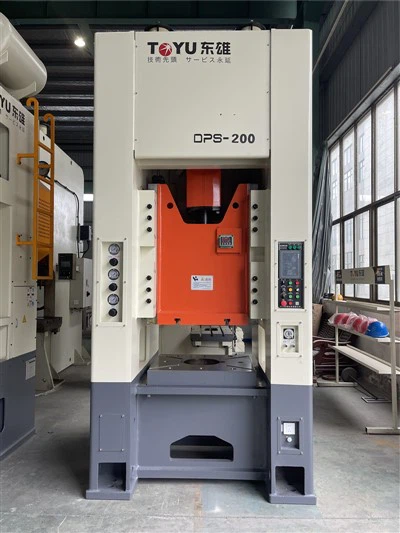
Enclosures should be designed to completely surround the areas where dangerous operations occur, such as the forging die area and the moving rams. For example, a full - height enclosure around the Cold Forging Press Machine can prevent operators from reaching into the hazardous zone during operation. The enclosures should have interlocks that automatically stop the machine when the door or access panel is opened. This ensures that operators cannot access the dangerous parts while the machine is in motion.
2. Visibility and Accessibility
While safety guards need to provide a high level of protection, they should also allow operators to monitor the forging process. Transparent panels can be incorporated into the enclosures to provide visibility. These panels should be made of shatter - resistant materials, such as polycarbonate, to prevent injury in case of breakage.
At the same time, safety guards should not impede the normal maintenance and adjustment of the machine. Access doors and hatches should be designed in a way that allows easy access to critical components for cleaning, lubrication, and replacement. However, these access points should still be equipped with proper safety interlocks to prevent unauthorized access during operation.
3. Safety Sensors and Detection Systems
Modern cold forging machines are often equipped with advanced safety sensors and detection systems. These systems can detect the presence of an operator in the hazardous area and stop the machine immediately. For example, infrared sensors can be installed around the forging area to detect any intrusion.
Light curtains are another effective safety device. They create a wall of infrared light beams across the entrance to the hazardous zone. If an object or a person breaks the light beam, the machine is automatically stopped. These sensors should be regularly tested and calibrated to ensure their reliability.
In addition, vibration sensors can be used to detect abnormal vibrations in the machine, which may indicate a mechanical problem or an impending failure. By detecting these issues early, operators can take preventive measures to avoid accidents.
4. Ergonomic Design
Safety guards should also be designed with ergonomics in mind. They should not cause unnecessary strain or discomfort to the operators. For example, the height and position of control panels and access points should be within easy reach of the operators.
The design of the safety guards should also allow for proper ventilation to prevent the buildup of heat and fumes. This is especially important in cold forging processes where lubricants and coolants are used, as they can produce harmful vapors.
5. Compliance with Standards and Regulations
Cold forging machine safety guards must comply with relevant national and international standards and regulations. In the United States, the Occupational Safety and Health Administration (OSHA) has specific requirements for machine guarding. In Europe, the Machinery Directive sets out the safety requirements for machinery, including cold forging machines.
Compliance with these standards ensures that the safety guards provide an adequate level of protection. It also helps to avoid legal issues and potential fines. As a supplier, we ensure that all our Mechanical Forging Press and Closed Die forging Machine models are equipped with safety guards that meet or exceed these standards.
6. Training and Instruction
Even the best - designed safety guards are ineffective if operators do not know how to use them properly. Therefore, comprehensive training and instruction should be provided to all operators. This training should cover the function and operation of the safety guards, as well as the correct procedures for starting, stopping, and maintaining the machine.
Operators should also be trained to recognize potential safety hazards and how to respond to them. Regular safety drills can be conducted to reinforce the importance of safety and to ensure that operators can react quickly in case of an emergency.

7. Maintenance and Inspection
Safety guards require regular maintenance and inspection to ensure their continued effectiveness. This includes checking for any signs of wear and tear, such as cracks in the enclosures or malfunctioning sensors.
Lubrication of moving parts in the safety guards, such as hinges and latches, is also essential to ensure smooth operation. Any damaged or worn - out components should be replaced immediately.
A maintenance schedule should be established, and records should be kept of all maintenance and inspection activities. This helps to track the condition of the safety guards over time and to identify any recurring issues.
8. Customization for Specific Applications
Different cold forging applications may have different safety requirements. For example, a cold forging machine used in a high - volume production environment may require more robust safety guards than a machine used for small - scale prototyping.
As a supplier, we offer customization options for safety guards to meet the specific needs of our customers. We work closely with our clients to understand their production processes and to design safety guards that provide the best possible protection.
Conclusion
The safety guards of a cold forging machine play a crucial role in protecting operators and ensuring the safe and efficient operation of the machine. By meeting the requirements of physical barriers, visibility, safety sensors, ergonomic design, compliance, training, maintenance, and customization, we can minimize the risk of accidents and create a safer working environment.
If you are in the market for a cold forging machine or need to upgrade your existing safety guards, we are here to help. Our team of experts can provide you with the best solutions tailored to your specific needs. Contact us today to start the procurement negotiation process and take your cold forging operations to the next level of safety and productivity.
References
- Occupational Safety and Health Administration (OSHA). Machine Guarding Standards.
- European Union Machinery Directive. Safety Requirements for Machinery.
- Industry best practices and guidelines for cold forging machine safety.