

Hey there! As a supplier of cold forging machines, I often get asked about the difference between single - station and multi - station cold forging machines. So, I thought I'd write this blog to break it down for you.
Let's start with the single - station cold forging machine. A single - station cold forging machine, as the name suggests, has just one working station. It's like a one - man band in the forging world. This machine performs all the forging operations at a single position.
The main advantage of a single - station cold forging machine is its simplicity. It's relatively easy to operate and maintain. If you're just starting out in the forging business or if you have a small - scale production requirement, a single - station machine can be a great choice. You don't need a lot of technical know - how to run it, and it doesn't take up too much space in your workshop.
For example, if you're making simple metal parts like small bolts or rivets, a single - station cold forging machine can get the job done efficiently. It can apply a high amount of pressure to shape the metal at room temperature, which is what cold forging is all about. And because it has fewer moving parts compared to multi - station machines, the chances of breakdowns are relatively lower.
But, of course, it's not all sunshine and rainbows. The biggest drawback of a single - station cold forging machine is its limited production capacity. Since all the operations are done at one station, the process can be time - consuming. You have to wait for one part to be fully forged before you can start on the next one. This can slow down your overall production rate, especially if you have a large order to fulfill.
Now, let's talk about multi - station cold forging machines. These machines are like an assembly line in the forging industry. They have multiple working stations, each responsible for a specific forging operation.
The main benefit of a multi - station cold forging machine is its high production efficiency. The metal workpiece moves from one station to the next in a continuous process. For instance, at the first station, the metal might be cut to the right length. At the second station, it could be pre - shaped, and at the third station, the final forging might take place. This way, multiple parts can be in different stages of the forging process simultaneously, which significantly speeds up the production.
If you're in the business of mass - producing complex metal parts, a multi - station cold forging machine is a must - have. It can handle large - scale orders with ease and can produce parts with high precision and consistency. For example, in the automotive industry, where thousands of identical parts are needed every day, multi - station cold forging machines are widely used to manufacture components like gears, shafts, and connecting rods.
However, multi - station cold forging machines also come with their own set of challenges. They are more complex and expensive to purchase. You need a higher level of technical expertise to operate and maintain them. The initial setup can be time - consuming, and if there's a problem with one of the stations, it can disrupt the entire production process.
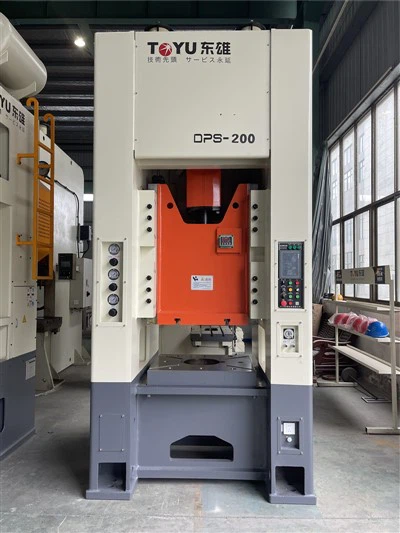

In terms of cost, single - station cold forging machines are generally more affordable. They have a lower upfront cost, and the operating costs are also relatively low. You don't need to invest a lot in training your staff to operate them. On the other hand, multi - station cold forging machines require a significant investment. But if you consider the long - term benefits of high - volume production, the return on investment can be quite substantial.
When it comes to the types of parts they can produce, single - station machines are better suited for simple and small - sized parts. They can provide a cost - effective solution for low - volume production of such parts. Multi - station machines, on the other hand, excel at producing complex and large - sized parts in high volumes.
If you're interested in learning more about cold forging machines, you can check out our Metal Forging Press page. It has detailed information about different types of forging presses. We also have a Closed Die forging Machine page that explains how these machines work and their applications. And for those who want to know more about mechanical forging presses, our Mechanical Forging Press page is a great resource.
So, which one is right for you? Well, it depends on your specific needs. If you're a small - scale manufacturer with simple production requirements, a single - station cold forging machine might be the way to go. But if you're looking to expand your business and take on large - scale orders, a multi - station cold forging machine could be the better choice.
If you're still not sure which machine is the best fit for your business, don't hesitate to reach out. We're here to help you make an informed decision. Whether you need more information, a product demonstration, or a quote, we're just a message away. Let's start a conversation and see how we can work together to meet your forging needs.
References:
- Industry reports on cold forging technology
- Internal product documentation from machine manufacturers