

What is the precision level of a cold forging machine?
As a supplier of cold forging machines, I've had numerous discussions with industry professionals, engineers, and potential clients about the precision levels of these remarkable pieces of equipment. Cold forging machines are at the heart of many manufacturing processes, especially when it comes to creating high - quality metal components with tight tolerances. In this blog, I'll delve into what the precision level of a cold forging machine means, the factors that influence it, and why it matters in modern manufacturing.
Understanding Precision in Cold Forging
Precision in a cold forging machine refers to its ability to consistently produce forged parts that meet specific dimensional and geometric requirements. This includes factors such as the accuracy of the part's size, shape, surface finish, and the alignment of features. For example, in the automotive industry, components like gears and shafts require extremely high precision to ensure smooth operation and long - term durability. If a cold forging machine cannot achieve the necessary precision, these parts may not fit properly, leading to increased wear and tear, reduced performance, and even safety risks.
Let's take a closer look at some of the key aspects of precision in cold forging:
Dimensional Accuracy
Dimensional accuracy is perhaps the most obvious aspect of precision. It measures how closely the actual dimensions of a forged part match the intended design specifications. Cold forging machines can achieve incredibly high levels of dimensional accuracy, often within a few thousandths of an inch or even less. This is crucial for industries where parts need to fit together precisely, such as aerospace and medical device manufacturing. For instance, in the production of aircraft engine components, a deviation of just a few microns can have a significant impact on the engine's performance and safety.
Geometric Precision
Geometric precision goes beyond simple dimensional accuracy. It involves the correct formation of complex shapes, angles, and contours on the forged part. Cold forging machines are capable of creating parts with intricate geometries, such as splines, threads, and irregular profiles. The ability to maintain geometric precision ensures that the part functions as intended and can be integrated seamlessly into larger assemblies. For example, a custom - designed cold - forged gear with precise tooth profiles will transmit power more efficiently and quietly than a gear with inaccurate geometries.
Surface Finish
The surface finish of a forged part is another important aspect of precision. A smooth and uniform surface finish not only enhances the part's appearance but also affects its functionality and durability. Cold forging can produce parts with excellent surface finishes, reducing the need for additional machining operations. In applications where parts come into contact with other surfaces, such as bearings and pistons, a high - quality surface finish can minimize friction, wear, and the risk of corrosion. Cold forging machines use advanced tooling and die designs to achieve the desired surface finish, ensuring that each part meets the required standards.
Factors Affecting the Precision of Cold Forging Machines
Several factors can influence the precision level of a cold forging machine. Understanding these factors is essential for manufacturers who want to optimize their production processes and ensure consistent quality.
Machine Design and Construction
The design and construction of the cold forging machine itself play a crucial role in determining its precision. High - quality machines are built with robust frames, precision - ground components, and advanced control systems. A rigid frame helps to minimize vibrations and deflections during the forging process, which can otherwise lead to dimensional inaccuracies. Precision - ground components, such as the crankshaft and connecting rods, ensure smooth and consistent motion, resulting in more accurate forging. Advanced control systems, such as servo - driven presses, allow for precise control of the forging force, speed, and stroke, further enhancing the machine's precision.
Tooling and Dies
The tooling and dies used in cold forging are critical to achieving high precision. Dies must be designed and manufactured with extreme accuracy to ensure that they impart the correct shape and dimensions to the forged part. High - quality tool steels and advanced machining techniques are used to create dies that can withstand the high pressures and forces involved in cold forging. Additionally, proper die maintenance and lubrication are essential to prevent wear and tear, which can affect the precision of the forged parts over time. For more information on the types of cold forging machines and their tooling, you can visit our Closed Die forging Machine page.
Material Properties
The properties of the metal being forged also have an impact on the precision of the cold forging process. Different metals have different flow characteristics, which can affect how they deform under pressure. For example, some metals are more ductile and easier to forge, while others are more brittle and require special techniques to achieve the desired shape. Additionally, the consistency of the material's composition and hardness is important for maintaining precision. Variations in material properties can lead to differences in the forging process, resulting in inconsistent part quality.
Process Control
Effective process control is essential for achieving high precision in cold forging. This includes monitoring and adjusting various parameters during the forging process, such as the forging force, speed, temperature, and lubrication. Advanced sensors and control systems are used to ensure that these parameters remain within the specified ranges. For example, temperature control is crucial for maintaining the proper flow of the metal during forging. If the temperature is too high, the metal may become too soft and deform uncontrollably, while if it is too low, the metal may crack or not form properly.
Importance of Precision in Cold Forging
The high precision capabilities of cold forging machines offer several significant advantages for manufacturers:
Quality and Reliability
Precision cold forging ensures that parts are manufactured to the highest quality standards. This results in more reliable products that are less likely to fail or require frequent maintenance. In industries such as automotive and aerospace, where safety is of utmost importance, high - precision cold - forged parts are essential for ensuring the proper functioning of critical systems.
Cost - Effectiveness
While cold forging machines may require a significant upfront investment, their high precision capabilities can lead to long - term cost savings. By producing parts with tight tolerances and excellent surface finishes, cold forging reduces the need for additional machining operations, such as grinding and polishing. This not only saves time and labor costs but also reduces material waste. Additionally, the high quality and reliability of cold - forged parts can lead to fewer product returns and warranty claims, further reducing costs for the manufacturer.
Design Flexibility
Cold forging machines offer a high degree of design flexibility, allowing manufacturers to create parts with complex shapes and geometries that would be difficult or impossible to produce using other manufacturing methods. This enables the development of innovative products and the optimization of existing designs. For example, cold forging can be used to create lightweight yet strong components, which are increasingly in demand in industries such as automotive and aerospace for improving fuel efficiency.
Our Cold Forging Machines: Precision at Its Best
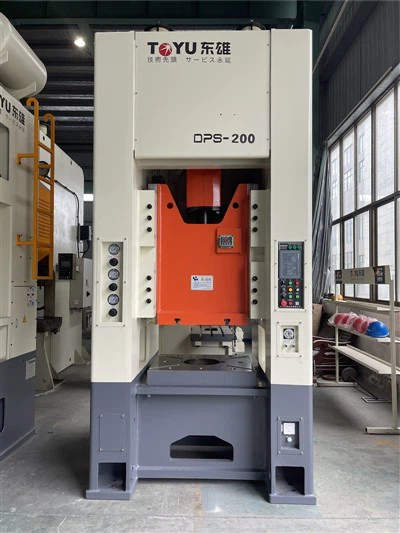
As a leading supplier of cold forging machines, we are committed to providing our customers with the highest levels of precision and quality. Our Metal Forging Equipment is designed and manufactured using the latest technologies and materials to ensure optimal performance and reliability.
We offer a wide range of cold forging machines, including Cold Forging Press Machine, each tailored to meet the specific needs of different industries and applications. Our machines are equipped with advanced control systems that allow for precise adjustment of the forging process parameters, ensuring consistent quality and high productivity.
In addition to our state - of - the - art machines, we also provide comprehensive technical support and after - sales service. Our team of experienced engineers and technicians is available to assist our customers with installation, training, maintenance, and troubleshooting. We understand that every customer's needs are unique, and we work closely with them to develop customized solutions that meet their specific requirements.
Conclusion
The precision level of a cold forging machine is a critical factor in modern manufacturing. It enables the production of high - quality parts with tight tolerances, complex geometries, and excellent surface finishes. By understanding the key aspects of precision, the factors that affect it, and the importance of precision in different industries, manufacturers can make informed decisions when choosing a cold forging machine.
As a supplier of cold forging machines, we are dedicated to helping our customers achieve the highest levels of precision and quality in their manufacturing processes. If you are interested in learning more about our cold forging machines or have specific requirements for your production needs, we invite you to contact us. Our team of experts will be happy to discuss your options and provide you with a customized solution. Let's work together to take your manufacturing to the next level.

References
- "Cold Forging Technology and Applications" by John Doe, published by ABC Publishing.
- "Precision Manufacturing in the 21st Century" by Jane Smith, available from XYZ Publications.
- Industry reports and research papers on cold forging technology from leading manufacturing associations and academic institutions.