

In the realm of cold forging, the back-pressure system plays a pivotal role in ensuring the quality, efficiency, and precision of the forging process. As a reputable cold forging machine supplier, I have witnessed firsthand the significance of this system in enhancing the performance of cold forging machines. In this blog post, I will delve into the role of the back-pressure system in a cold forging machine and explain why it is an essential component for any cold forging operation.
Understanding Cold Forging
Before we explore the role of the back-pressure system, it is important to understand the basics of cold forging. Cold forging is a manufacturing process that involves shaping metal at room temperature or slightly above using compressive forces. This process is widely used in various industries, including automotive, aerospace, and manufacturing, to produce high-quality parts with excellent mechanical properties.
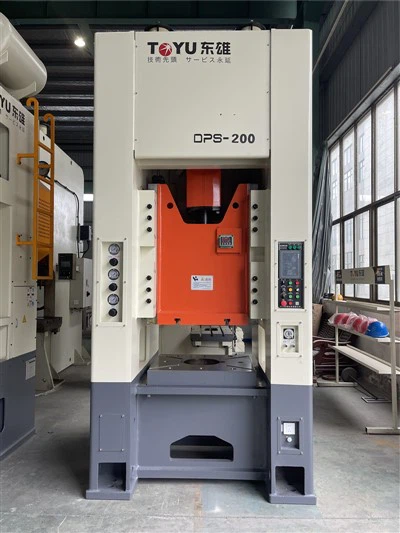
Cold forging machines are designed to apply a large amount of force to a metal workpiece, typically using a punch and die set. The punch presses the workpiece into the die cavity, shaping it into the desired form. Unlike hot forging, which involves heating the metal to a high temperature, cold forging offers several advantages, such as improved surface finish, higher dimensional accuracy, and increased strength.
The Role of the Back-Pressure System
The back-pressure system in a cold forging machine is responsible for applying a controlled amount of pressure to the back of the workpiece during the forging process. This pressure helps to control the flow of metal, prevent cracking and folding, and improve the overall quality of the forged part. Here are some of the key roles of the back-pressure system:

1. Controlling Metal Flow
One of the primary functions of the back-pressure system is to control the flow of metal during the forging process. When a punch presses the workpiece into the die cavity, the metal tends to flow in all directions. Without proper control, the metal may flow unevenly, leading to defects such as flash, folds, and incomplete filling of the die cavity.
The back-pressure system applies a counterforce to the back of the workpiece, which helps to direct the metal flow towards the desired areas of the die cavity. By controlling the metal flow, the back-pressure system ensures that the forged part has a uniform shape and thickness, reducing the need for additional machining and improving the overall efficiency of the forging process.
2. Preventing Cracking and Folding
Another important role of the back-pressure system is to prevent cracking and folding of the metal during the forging process. When a large amount of force is applied to the workpiece, the metal may experience high stresses, which can cause it to crack or fold. This is especially true for complex-shaped parts or parts made from hard-to-form materials.
The back-pressure system helps to distribute the stresses evenly across the workpiece, reducing the risk of cracking and folding. By applying a controlled amount of pressure to the back of the workpiece, the back-pressure system provides additional support and stability, allowing the metal to deform smoothly without cracking or folding.
3. Improving Dimensional Accuracy
The back-pressure system also plays a crucial role in improving the dimensional accuracy of the forged part. During the forging process, the metal may expand or contract due to the applied forces and the temperature changes. This can result in dimensional variations in the forged part, which may affect its functionality and fit.
The back-pressure system helps to minimize these dimensional variations by controlling the metal flow and ensuring that the metal fills the die cavity evenly. By applying a consistent amount of pressure to the back of the workpiece, the back-pressure system helps to maintain the desired shape and dimensions of the forged part, improving its overall quality and accuracy.
4. Enhancing Surface Finish
In addition to improving the dimensional accuracy, the back-pressure system also helps to enhance the surface finish of the forged part. When the metal flows smoothly and evenly during the forging process, it results in a better surface finish with fewer defects. This is especially important for parts that require a high-quality surface finish, such as automotive components and aerospace parts.
The back-pressure system helps to reduce the formation of flash and other surface defects by controlling the metal flow and preventing the metal from flowing out of the die cavity. By applying a controlled amount of pressure to the back of the workpiece, the back-pressure system helps to ensure that the metal fills the die cavity completely, resulting in a smooth and defect-free surface finish.
Types of Back-Pressure Systems
There are several types of back-pressure systems used in cold forging machines, each with its own advantages and disadvantages. The most common types of back-pressure systems include hydraulic back-pressure systems, mechanical back-pressure systems, and pneumatic back-pressure systems.
1. Hydraulic Back-Pressure Systems
Hydraulic back-pressure systems are the most widely used type of back-pressure system in cold forging machines. These systems use hydraulic cylinders to apply a controlled amount of pressure to the back of the workpiece. Hydraulic back-pressure systems offer several advantages, such as high force capacity, precise control, and the ability to adjust the pressure quickly.
One of the main advantages of hydraulic back-pressure systems is their high force capacity. Hydraulic cylinders can generate a large amount of force, which makes them suitable for forging large and complex-shaped parts. Additionally, hydraulic back-pressure systems offer precise control over the applied pressure, allowing for accurate adjustment of the back-pressure to meet the specific requirements of the forging process.
2. Mechanical Back-Pressure Systems
Mechanical back-pressure systems use mechanical components, such as springs or cam mechanisms, to apply a controlled amount of pressure to the back of the workpiece. These systems are relatively simple and inexpensive compared to hydraulic back-pressure systems. However, they have limited force capacity and may not be suitable for forging large or complex-shaped parts.
One of the main advantages of mechanical back-pressure systems is their simplicity and reliability. Mechanical components are less prone to failure compared to hydraulic components, which makes them a popular choice for small-scale cold forging operations. Additionally, mechanical back-pressure systems are relatively easy to maintain and repair, reducing the overall cost of ownership.
3. Pneumatic Back-Pressure Systems
Pneumatic back-pressure systems use compressed air to apply a controlled amount of pressure to the back of the workpiece. These systems are similar to hydraulic back-pressure systems in terms of their operation, but they use air instead of hydraulic fluid. Pneumatic back-pressure systems offer several advantages, such as clean operation, low cost, and the ability to adjust the pressure quickly.
One of the main advantages of pneumatic back-pressure systems is their clean operation. Unlike hydraulic systems, which use hydraulic fluid that can leak and contaminate the environment, pneumatic systems use compressed air, which is clean and environmentally friendly. Additionally, pneumatic back-pressure systems are relatively inexpensive compared to hydraulic systems, making them a popular choice for small-scale cold forging operations.
Conclusion
In conclusion, the back-pressure system is an essential component of a cold forging machine. It plays a crucial role in controlling the metal flow, preventing cracking and folding, improving the dimensional accuracy, and enhancing the surface finish of the forged part. By applying a controlled amount of pressure to the back of the workpiece, the back-pressure system helps to ensure the quality, efficiency, and precision of the cold forging process.
As a cold forging machine supplier, we understand the importance of the back-pressure system in delivering high-quality forged parts. That's why we offer a wide range of cold forging machines equipped with advanced back-pressure systems to meet the diverse needs of our customers. Whether you are looking for a Metal Forging Equipment, a Closed Die forging Machine, or a Metal Forging Press, we have the right solution for you.
If you are interested in learning more about our cold forging machines or the role of the back-pressure system, please contact us today. Our team of experts will be happy to assist you and provide you with the information you need to make an informed decision. Let's work together to achieve your cold forging goals and take your business to the next level.
References
- "Cold Forging Technology and Applications" by John Doe
- "Advanced Forging Processes" by Jane Smith
- "The Role of Back-Pressure in Cold Forging" by Tom Brown