

Hey there! I'm a supplier of Metal Forging Press. Today, I wanna chat about the kinds of lubricants used in a metal forging press. It's a super important topic, 'cause the right lubricant can really make a difference in how well the press works and how long it lasts.
Why Lubricants Matter in Metal Forging Presses
First off, let's talk about why lubricants are so crucial. In a metal forging press, there's a whole lot of friction going on. When the press is shaping metal, the dies and the metal workpiece rub against each other. This friction can cause a bunch of problems. It can lead to wear and tear on the dies, which means you'll have to replace them more often. It can also make the forging process less efficient, 'cause more energy is wasted overcoming the friction. And in some cases, it can even cause the metal to stick to the dies, which messes up the final product.
Lubricants help to reduce this friction. They create a thin film between the dies and the metal, which allows the metal to slide more easily. This not only protects the dies but also improves the overall quality of the forging. It can also increase the productivity of the press, 'cause you can run it faster and with less downtime for maintenance.

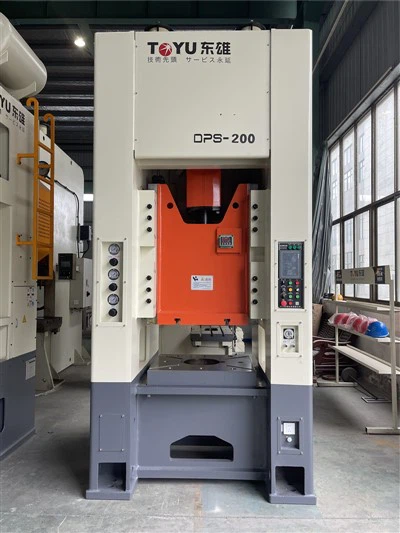
Types of Lubricants Used in Metal Forging Presses
Mineral Oil-Based Lubricants
Mineral oil-based lubricants are one of the most commonly used types in metal forging presses. They're made from refined petroleum products and have a number of advantages. For starters, they're relatively inexpensive. This makes them a popular choice for many forging operations, especially those on a budget.
Mineral oil-based lubricants also have good lubricating properties. They can effectively reduce friction between the dies and the metal, which helps to protect the dies and improve the quality of the forging. They have a relatively high viscosity, which means they can stay in place and provide a consistent lubricating film even under high pressure.
However, there are also some drawbacks to using mineral oil-based lubricants. They're not very environmentally friendly. When they're used in the forging process, they can release harmful pollutants into the air and water. They also have a relatively low flash point, which means they can catch fire more easily. This can be a safety hazard in some forging operations.
Synthetic Lubricants
Synthetic lubricants are another option for metal forging presses. These lubricants are made from chemically engineered compounds, rather than petroleum products. They offer several advantages over mineral oil-based lubricants.
One of the biggest advantages of synthetic lubricants is their high temperature resistance. In a metal forging press, the dies can get very hot during the forging process. Synthetic lubricants can withstand these high temperatures without breaking down, which means they can continue to provide effective lubrication even under extreme conditions.
They're also more environmentally friendly than mineral oil-based lubricants. They produce fewer pollutants and are often biodegradable. This makes them a better choice for forging operations that are looking to reduce their environmental impact.
However, synthetic lubricants are more expensive than mineral oil-based lubricants. This can be a deterrent for some forging operations, especially those with tight budgets.
Graphite-Based Lubricants
Graphite-based lubricants are often used in metal forging presses, especially in hot forging applications. Graphite is a naturally occurring mineral that has excellent lubricating properties. It can reduce friction and prevent the metal from sticking to the dies.
One of the main advantages of graphite-based lubricants is their high temperature resistance. They can withstand the extreme temperatures that are common in hot forging processes without losing their lubricating properties. They also have good chemical stability, which means they won't react with the metal or the dies.
Graphite-based lubricants are also relatively easy to apply. They can be sprayed or brushed onto the dies, which makes them convenient for use in a forging press. However, they can be messy to work with. The graphite particles can get everywhere, which can be a problem in a clean manufacturing environment.
Water-Based Lubricants
Water-based lubricants are becoming increasingly popular in metal forging presses. These lubricants are made by mixing water with various additives, such as polymers and surfactants. They offer several advantages over other types of lubricants.
One of the biggest advantages of water-based lubricants is their environmental friendliness. They're non-toxic and biodegradable, which means they have a minimal impact on the environment. They also have a high cooling capacity, which can help to reduce the temperature of the dies during the forging process. This can extend the life of the dies and improve the quality of the forging.
Water-based lubricants are also relatively inexpensive. They're often cheaper than synthetic lubricants and can be a cost-effective option for many forging operations. However, they have some limitations. They have a relatively low viscosity, which means they may not provide as good a lubricating film as some other types of lubricants. They also need to be carefully formulated to prevent corrosion of the dies and the metal.
Choosing the Right Lubricant for Your Metal Forging Press
So, how do you choose the right lubricant for your metal forging press? Well, there are a few factors to consider.
Type of Forging Process
The type of forging process you're using is one of the most important factors. If you're doing hot forging, you'll need a lubricant that can withstand high temperatures. Graphite-based lubricants or synthetic lubricants are often a good choice for hot forging applications. If you're doing cold forging, you may be able to use a mineral oil-based lubricant or a water-based lubricant.
Material of the Metal
The material of the metal you're forging also matters. Different metals have different properties, and some lubricants may work better with certain metals than others. For example, some metals are more prone to sticking to the dies, and you'll need a lubricant that can prevent this.
Cost
Cost is always a consideration. You'll need to balance the cost of the lubricant with its performance. If you're on a tight budget, you may want to consider a mineral oil-based lubricant or a water-based lubricant. If you're willing to spend more for better performance and environmental friendliness, a synthetic lubricant may be a better choice.
Environmental Regulations
Finally, you'll need to consider any environmental regulations that apply to your forging operation. If you're in an area with strict environmental regulations, you may be required to use an environmentally friendly lubricant, such as a synthetic lubricant or a water-based lubricant.
Conclusion
In conclusion, choosing the right lubricant for your Metal Forging Press is crucial for the success of your forging operation. There are several types of lubricants available, each with its own advantages and disadvantages. By considering factors such as the type of forging process, the material of the metal, the cost, and the environmental regulations, you can choose the lubricant that's best for your needs.
If you're in the market for a Cold Forging Press Machine or a Closed Die forging Machine, or if you have any questions about lubricants for metal forging presses, don't hesitate to get in touch. We're here to help you find the right solutions for your forging needs.
References
- "Metal Forging Technology Handbook"
- "Lubrication in Metalworking: Principles and Practice"