

In the dynamic and demanding field of metal forging, the role of operators of a metal forging press is pivotal. As a reputable supplier of Closed Die forging Machine, Metal Forging Equipment, and Mechanical Forging Press, I have witnessed firsthand the significance of well - skilled operators in ensuring the efficiency, quality, and safety of the forging process. This blog explores the essential skills that operators of a metal forging press should possess.
Technical Knowledge
Understanding of Metal Properties
One of the fundamental skills for a forging press operator is a deep understanding of different metal properties. Metals such as steel, aluminum, and copper have distinct characteristics in terms of their malleability, ductility, and hardness. For example, steel has a high melting point and can withstand significant pressure during forging, but it also requires precise control of temperature to avoid cracking. Aluminum, on the other hand, is more malleable at lower temperatures but is prone to oxidation. Operators need to know how to adjust the forging parameters, including temperature, pressure, and speed, based on the specific metal they are working with. This knowledge is crucial for producing high - quality forged parts that meet the required specifications.
Familiarity with Forging Press Mechanics
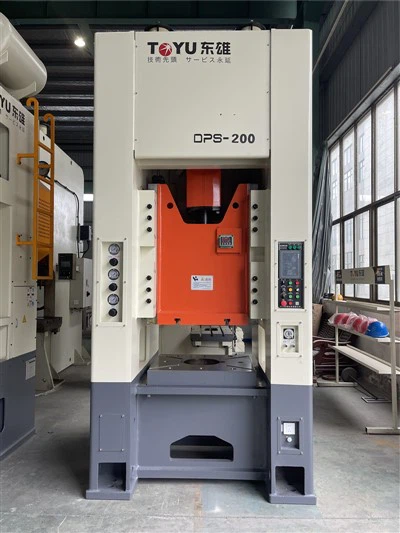
Operators must be well - versed in the mechanics of the forging press they are using. They should understand how the press generates force, whether it is through a mechanical, hydraulic, or pneumatic system. For instance, a Mechanical Forging Press uses a flywheel and a crankshaft mechanism to deliver a rapid and powerful blow. Operators need to know how to maintain the flywheel's speed, adjust the stroke length, and ensure the proper alignment of the dies. They should also be able to troubleshoot common mechanical problems, such as loose belts or worn - out bearings, to minimize downtime.
Die Design and Maintenance
Dies are essential tools in the forging process, and operators need to have a good understanding of die design and maintenance. They should be able to select the appropriate die for the specific forging task, taking into account factors such as the shape, size, and complexity of the part. Additionally, operators must know how to install and align the dies correctly on the forging press to ensure accurate and consistent forging. Regular die maintenance is also crucial to extend the die's lifespan and maintain the quality of the forged parts. This includes cleaning the dies after each use, inspecting them for wear and damage, and performing necessary repairs or replacements.
Operational Skills
Precision Control
Precision is key in metal forging, and operators need to have excellent control skills. They must be able to precisely control the movement of the forging press, including the stroke length, the force applied, and the speed of operation. For example, in the production of small, intricate parts, even a slight deviation in the forging parameters can result in defective parts. Operators need to use their hands and eyes to monitor the forging process continuously and make real - time adjustments to ensure that the parts are forged to the exact specifications.

Quality Inspection
Operators are responsible for inspecting the forged parts to ensure they meet the required quality standards. They should be familiar with various inspection methods, such as visual inspection, dimensional measurement, and non - destructive testing. Visual inspection allows operators to detect surface defects, such as cracks, porosity, or uneven surfaces. Dimensional measurement using tools like calipers and micrometers ensures that the parts have the correct size and shape. Non - destructive testing methods, such as ultrasonic testing or magnetic particle inspection, can be used to detect internal defects that are not visible to the naked eye. By conducting thorough quality inspections, operators can prevent defective parts from being shipped to customers and maintain the reputation of the forging operation.
Process Optimization
Experienced forging press operators are always looking for ways to optimize the forging process. They can analyze the production data, such as the cycle time, the energy consumption, and the scrap rate, to identify areas for improvement. For example, they may be able to adjust the forging parameters to reduce the cycle time without sacrificing the quality of the parts, or they may find ways to reduce the amount of scrap material generated during the forging process. By continuously optimizing the process, operators can increase the productivity and efficiency of the forging operation, which ultimately leads to cost savings and improved competitiveness.
Safety Skills
Knowledge of Safety Regulations
Safety is of utmost importance in the metal forging industry, and operators need to have a comprehensive knowledge of safety regulations. They should be familiar with local, national, and international safety standards, such as OSHA regulations in the United States. This includes understanding the proper use of personal protective equipment (PPE), such as safety glasses, gloves, and ear protection. Operators should also know how to operate the forging press safely, including following the correct start - up and shut - down procedures, and avoiding any unsafe practices, such as reaching into the moving parts of the press.
Hazard Identification and Risk Assessment
Operators need to be able to identify potential hazards in the forging environment and conduct risk assessments. Hazards in a forging shop can include high - temperature metals, flying debris, loud noises, and electrical hazards. By identifying these hazards, operators can take appropriate measures to mitigate the risks, such as installing safety guards, providing proper ventilation, and using noise - reducing equipment. They should also be trained to respond quickly and effectively in case of an emergency, such as a fire or a machine malfunction.
Emergency Response
In addition to hazard identification and risk assessment, operators need to be trained in emergency response procedures. They should know how to use fire extinguishers, first - aid kits, and other emergency equipment. In case of a serious accident, such as a press malfunction or a chemical spill, operators should be able to follow the established emergency response plan, which may include evacuating the area, notifying the relevant authorities, and providing first - aid to injured workers.
Teamwork and Communication Skills
Collaboration with Other Departments
Forging operations often involve multiple departments, such as engineering, quality control, and maintenance. Operators need to be able to collaborate effectively with these departments to ensure the smooth running of the forging process. For example, they may need to work closely with the engineering department to implement design changes or to troubleshoot complex forging problems. They also need to communicate regularly with the quality control department to ensure that the forged parts meet the required standards. By working together as a team, different departments can share their expertise and resources, which leads to improved productivity and quality.
Communication with Supervisors
Clear communication with supervisors is essential for operators. They need to be able to report any issues or problems they encounter during the forging process, such as equipment malfunctions, quality issues, or safety concerns. Supervisors can then provide guidance and support to help operators resolve these issues quickly. Additionally, operators should be able to understand and follow the instructions given by supervisors, which may include production targets, quality requirements, and safety procedures.
Continuous Learning and Adaptability
Keeping Up with Technological Advancements
The metal forging industry is constantly evolving, with new technologies and techniques emerging regularly. Operators need to be willing to learn and adapt to these changes. For example, the development of computer - controlled forging presses has made the forging process more precise and efficient. Operators need to learn how to operate and program these advanced machines to take full advantage of their capabilities. They also need to stay updated on new materials, die - making techniques, and quality control methods to remain competitive in the industry.
Adaptability to Changing Production Requirements
Production requirements in the metal forging industry can change rapidly, depending on customer demands, market trends, and technological advancements. Operators need to be adaptable and able to adjust their work processes accordingly. For example, if a customer requests a new type of forged part with different specifications, operators need to be able to quickly learn how to produce it. They may need to modify the forging parameters, select new dies, or use different forging techniques to meet the new requirements.
Conclusion
In conclusion, operators of a metal forging press need to possess a wide range of skills, including technical knowledge, operational skills, safety skills, teamwork and communication skills, and the ability to learn and adapt. These skills are essential for ensuring the efficiency, quality, and safety of the forging process. As a supplier of Closed Die forging Machine, Metal Forging Equipment, and Mechanical Forging Press, we understand the importance of well - skilled operators in the success of our customers' forging operations. If you are interested in enhancing your forging capabilities or need more information about our products, we invite you to contact us for a procurement discussion. We are committed to providing you with the best - in - class forging equipment and support to help you achieve your production goals.
References
- ASM Handbook Committee. (2000). ASM Handbook Volume 14A: Metalworking: Forging. ASM International.
- Dieter, G. E. (1986). Mechanical Metallurgy. McGraw - Hill.
- Kalpakjian, S., & Schmid, S. R. (2010). Manufacturing Engineering and Technology. Pearson.